

PROJECT OVERVIEW
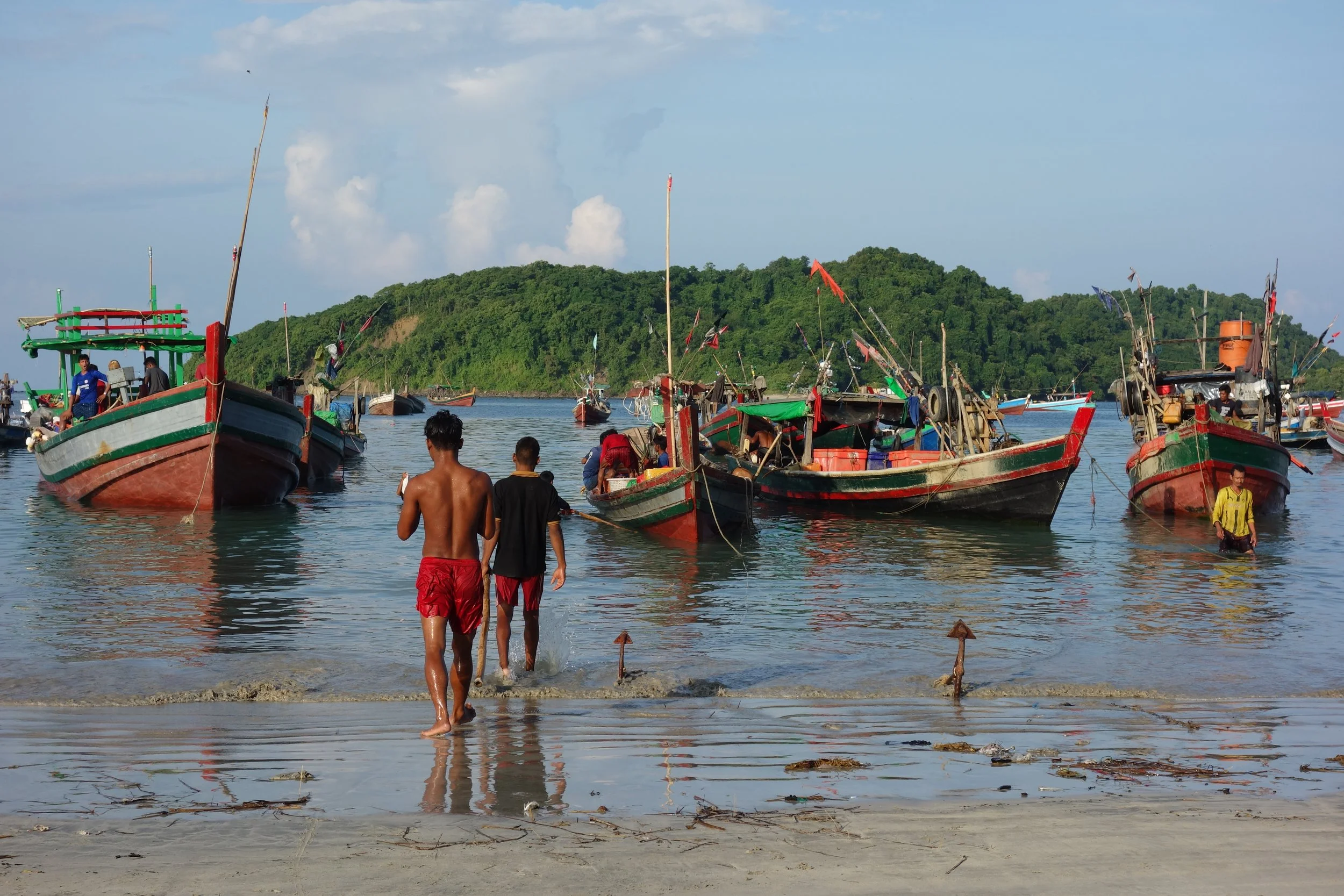
Myanmar Ocean Project (MOP) is a community-focused marine conservation organisation working along Myanmar’s coastline, with a primary focus on the Myeik Archipelago, one of the country’s richest and most threatened marine biodiversity hotspots. The archipelago’s remote geography, limited scientific presence, and increasing pressures from fishing activity make it a critical area for baseline research and community-led conservation.
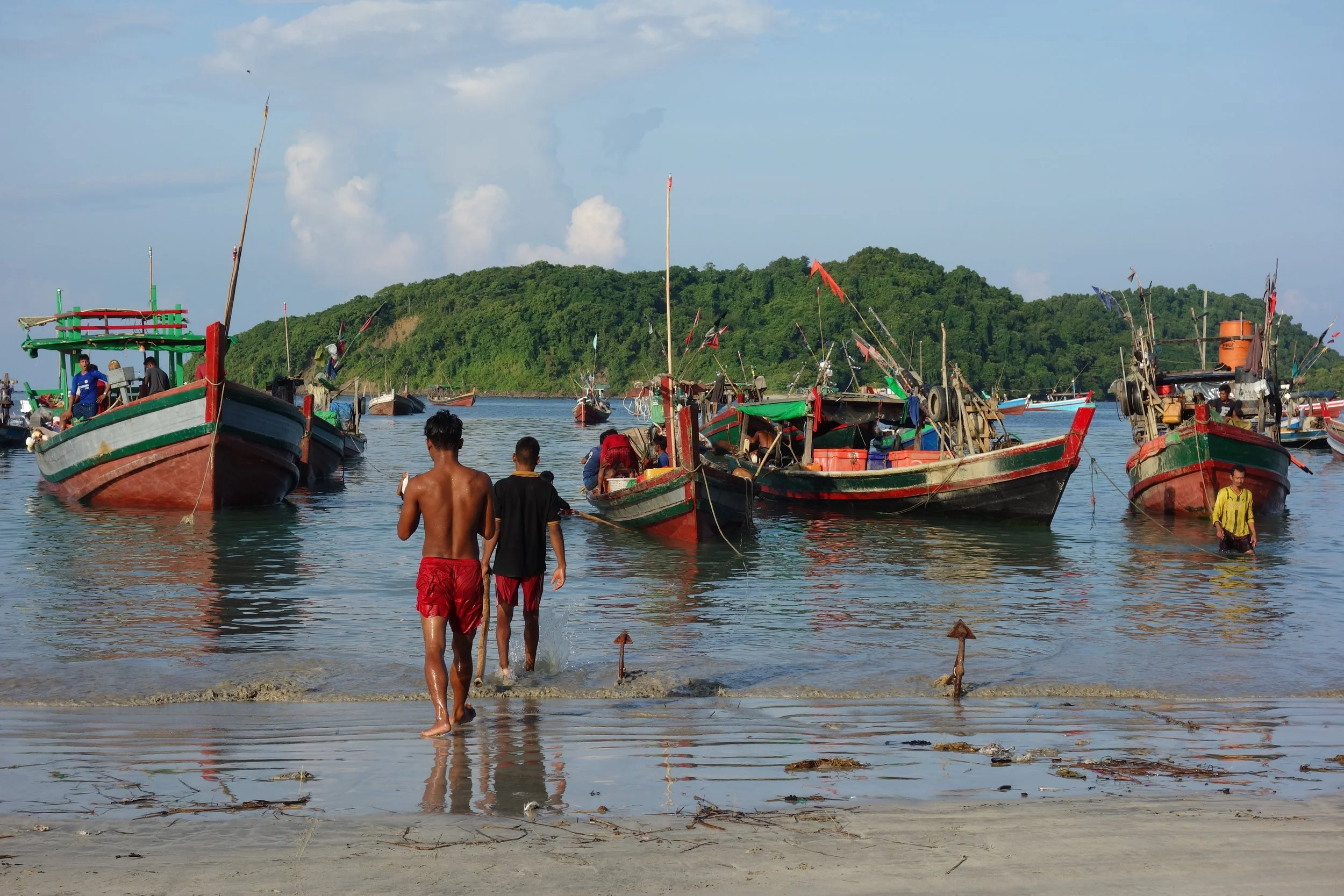
Founded in 2018 by diver and conservationist Thanda Ko Gyi, MOP leads multidisciplinary efforts integrating scientific surveys, fisher knowledge, and culturally relevant outreach. The organisation conducted scuba dive expeditions across the archipelago to assess the prevalence of ‘Abandoned, Lost or Discarded Fishing Gear’ (ALDFG), carried out systematic site clean-ups of ALDFG, while developing MOP DROP, a practical, community-based collection system for end-of-life nets and plastic debris directly from fishing boats in remote locations.
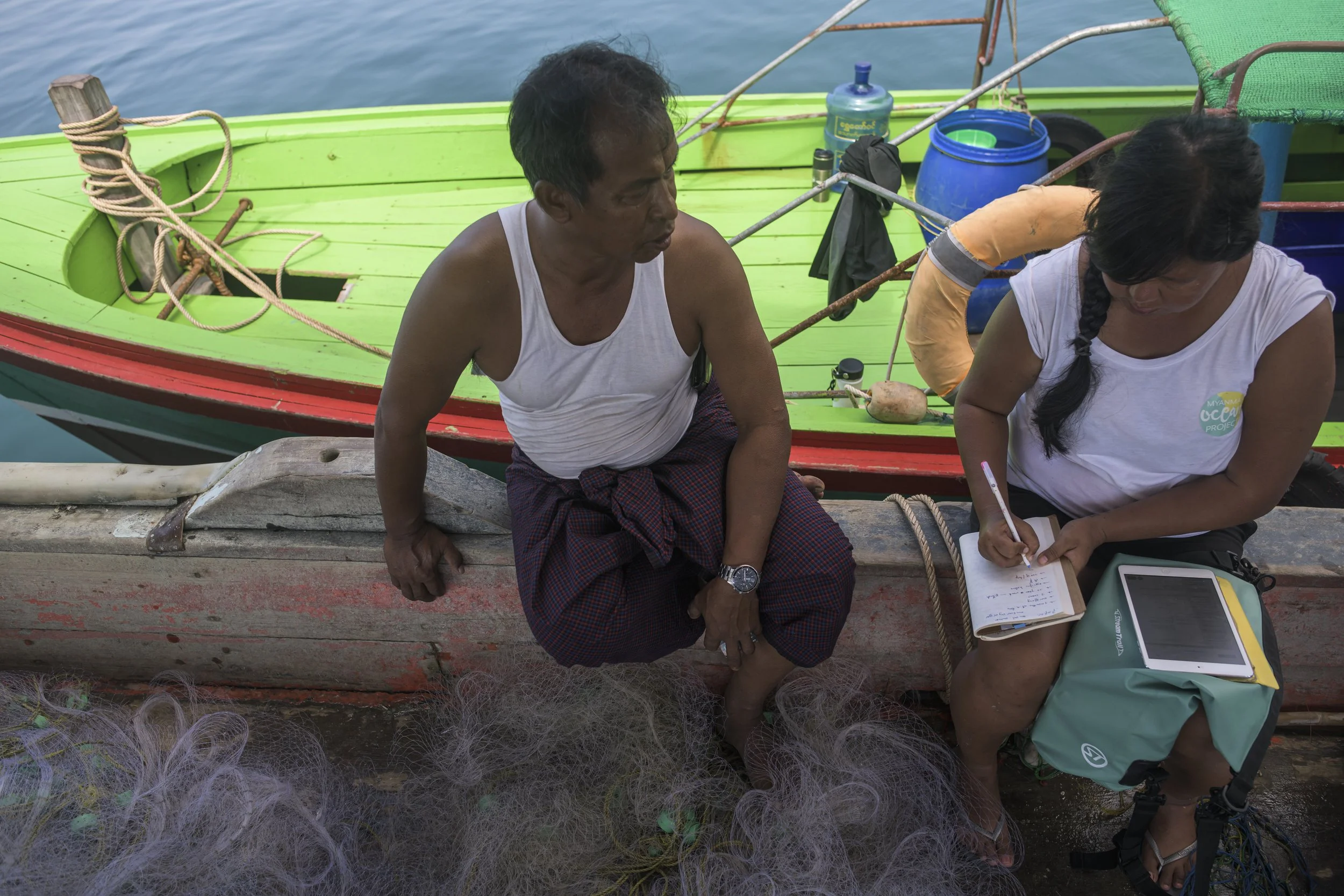
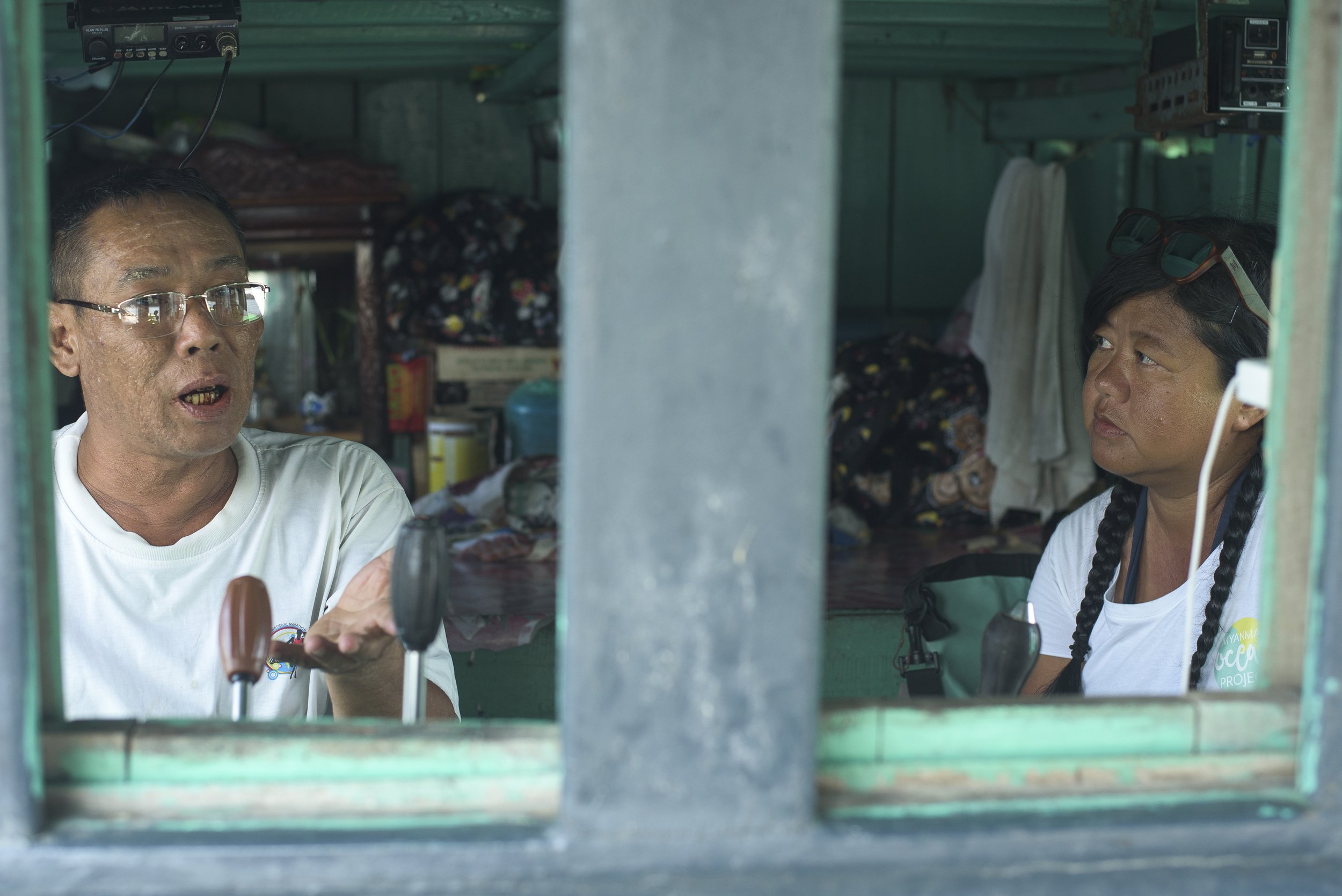
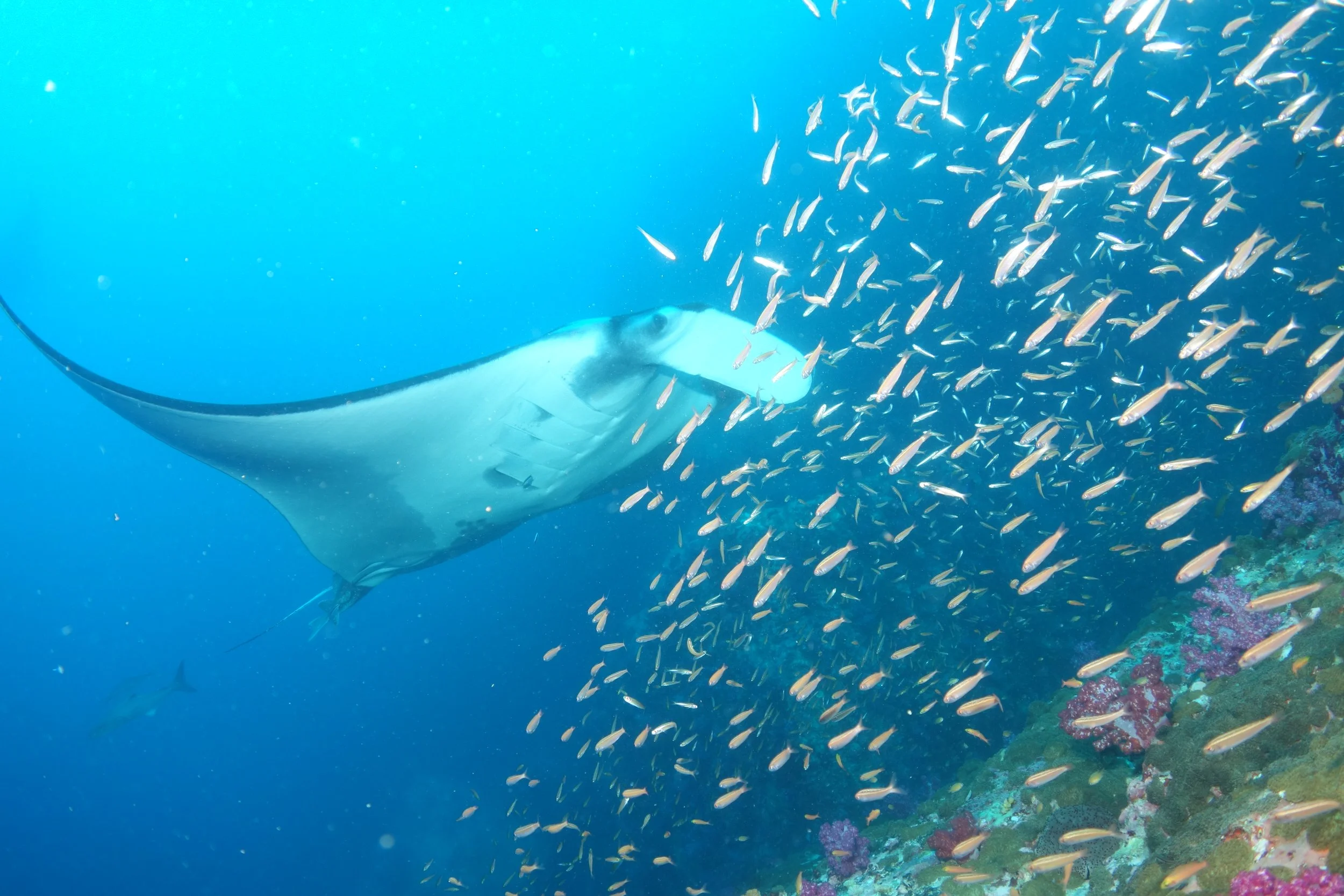
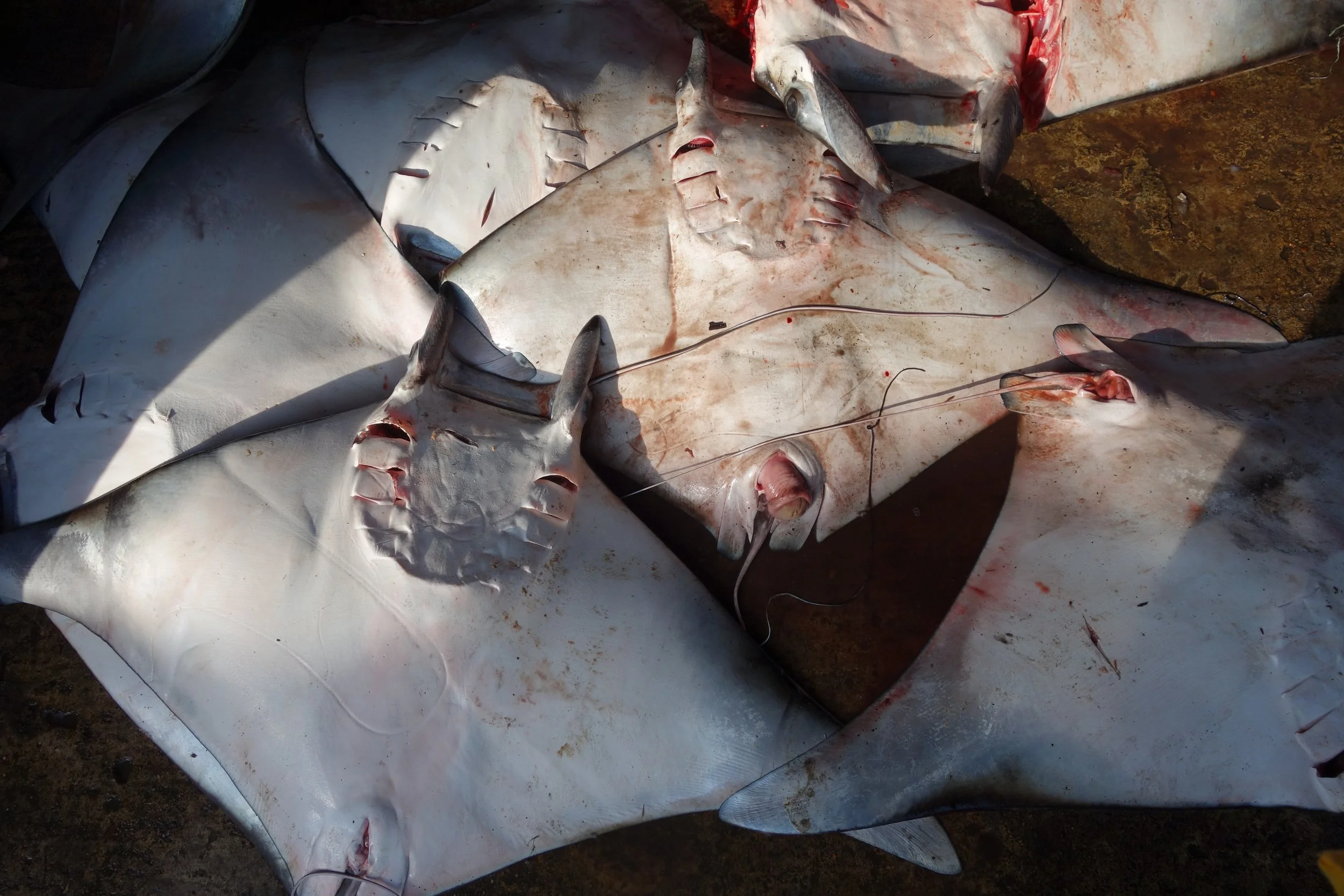
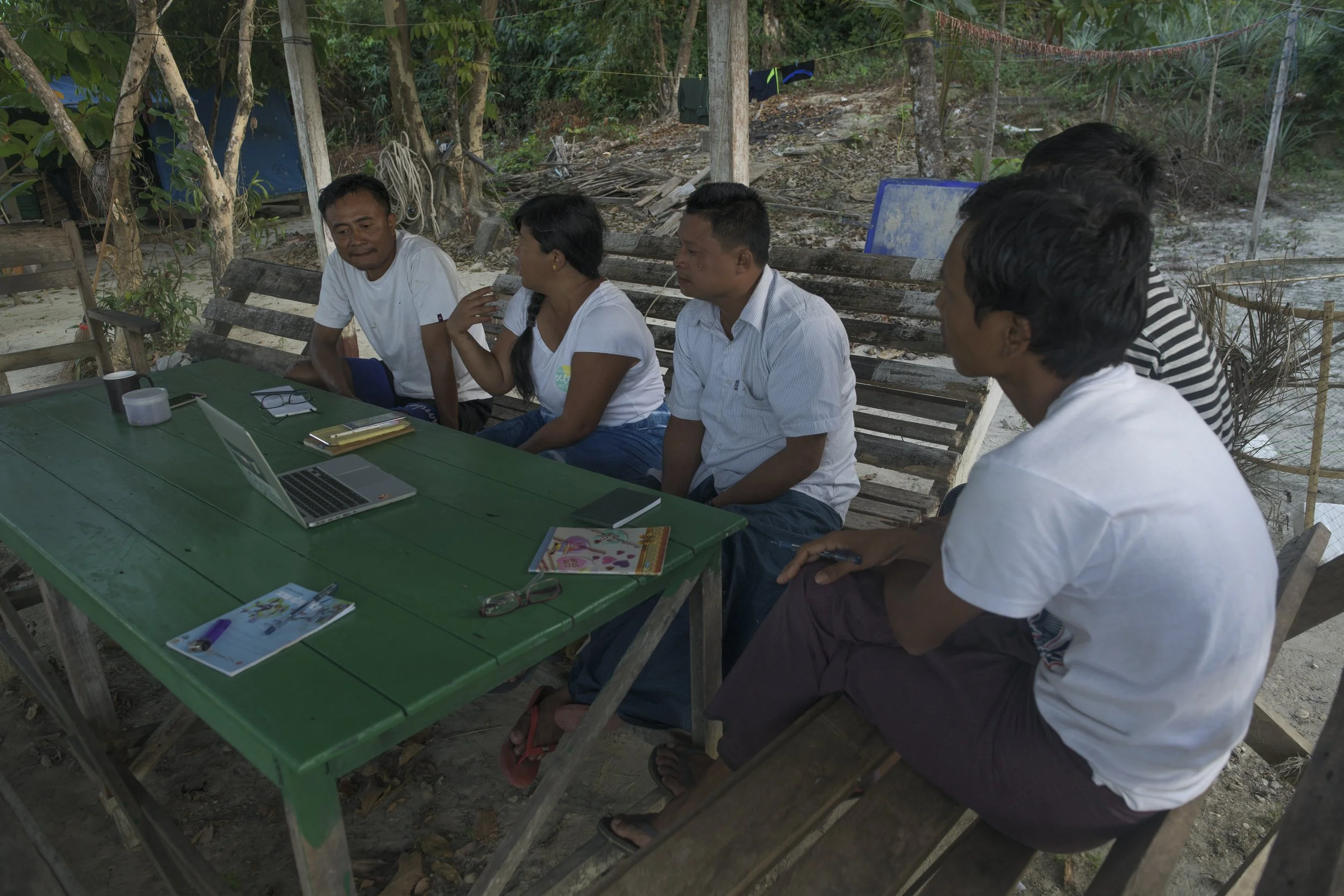
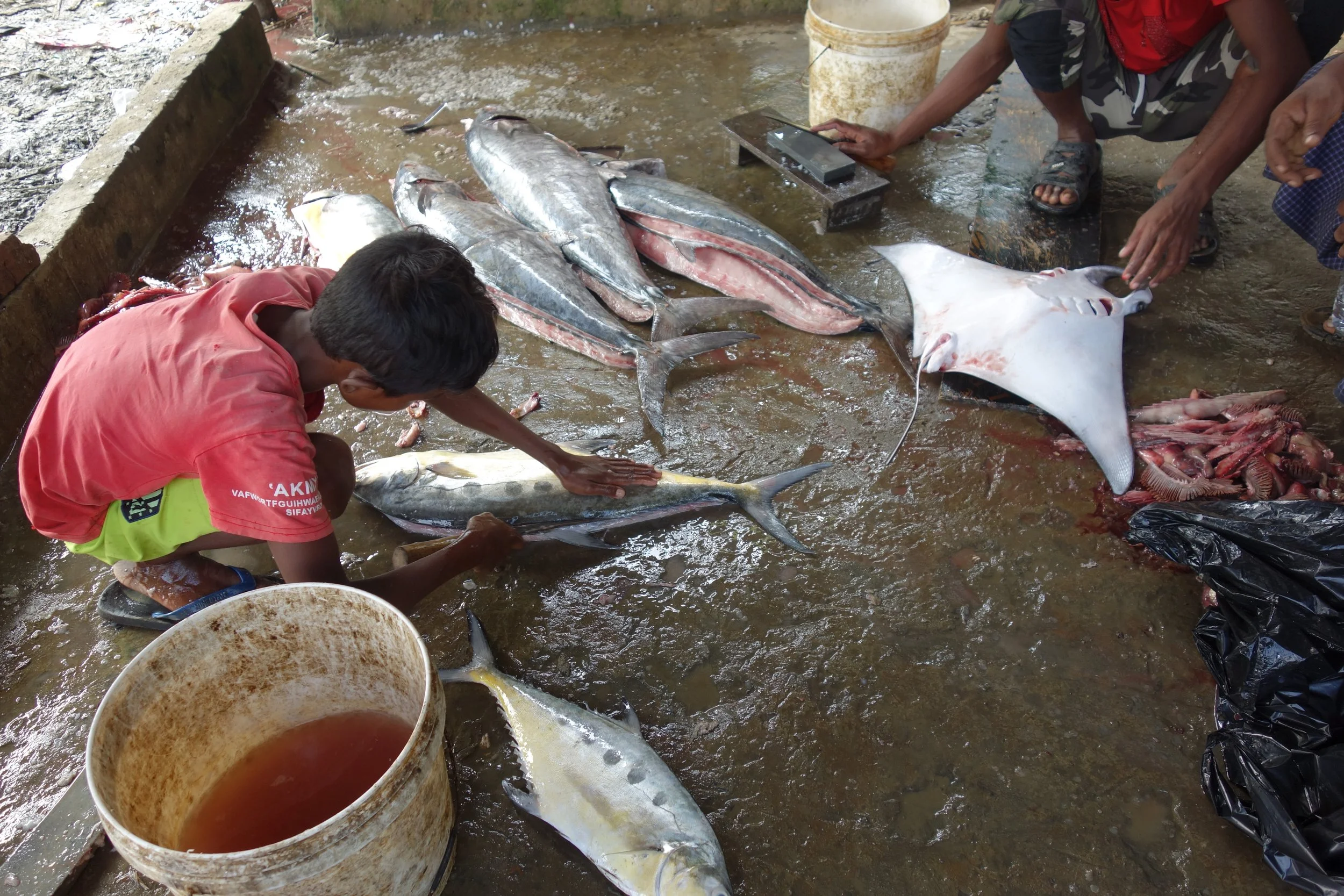
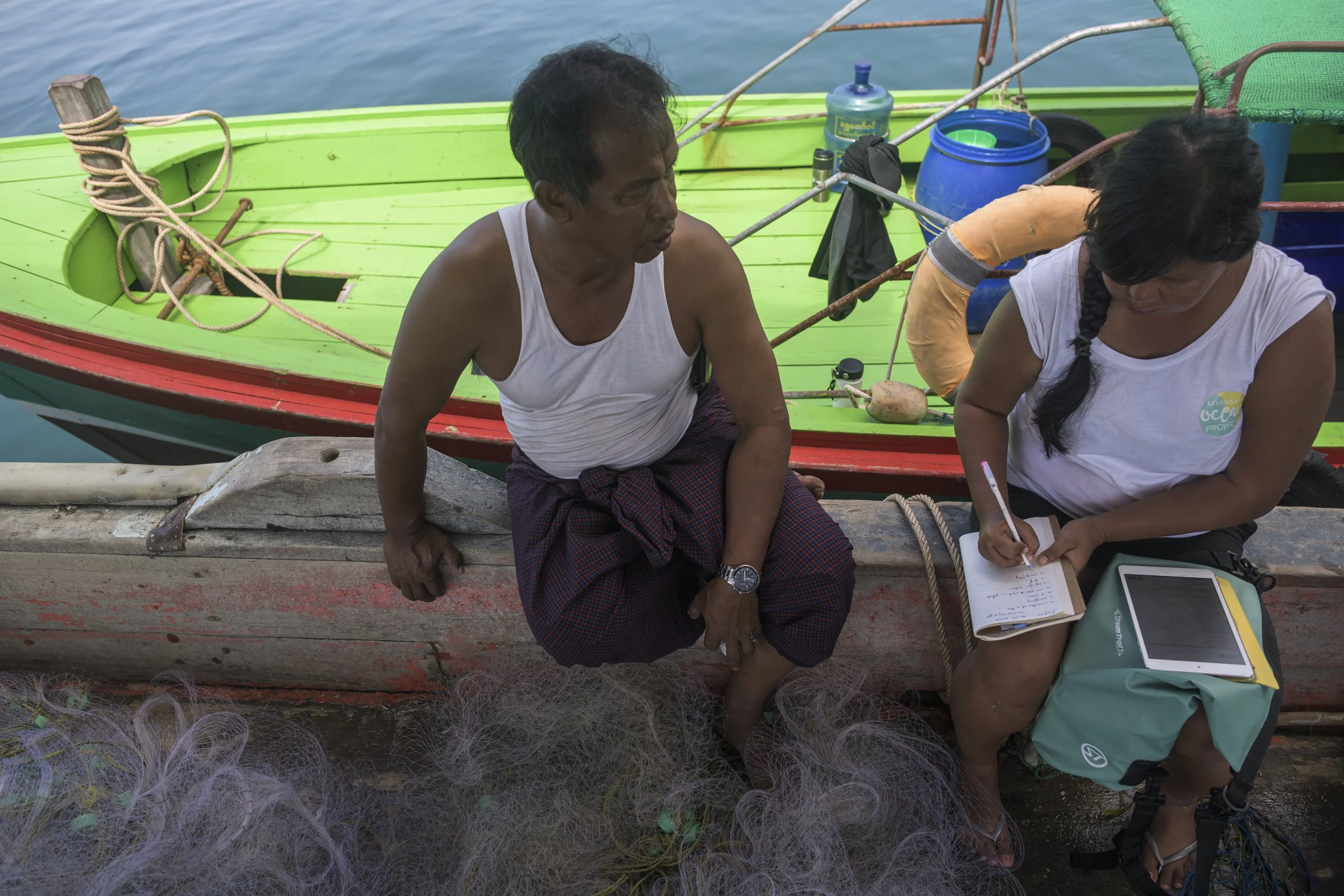
Beyond fieldwork, MOP works closely with island communities to understand fishing practices, gear loss drivers, and mobulid ray trade dynamics. MOP contributes to shark and ray research across Myanmar through a range of initiatives. The team maintains the national oceanic manta photo-ID database through MantaMatcher and Marine Megafauna Foundation, supporting long-term monitoring of individuals sighted in Myanmar waters. In 2021, MOP conducted shark and ray trade surveys in Rakhine State, documenting domestic consumer use, market dynamics, and trade routes. Between 2022–2023, MOP investigated the online mobulid meat trade and produced a detailed report, now being developed into a scientific manuscript. In 2023, the organisation helped lead the designation of five Important Shark & Ray Areas (ISRAs) for Myanmar. MOP continues to work closely with local fishers to establish the groundwork for expanded mobulid research in partnership with the Manta Trust beginning in 2026.
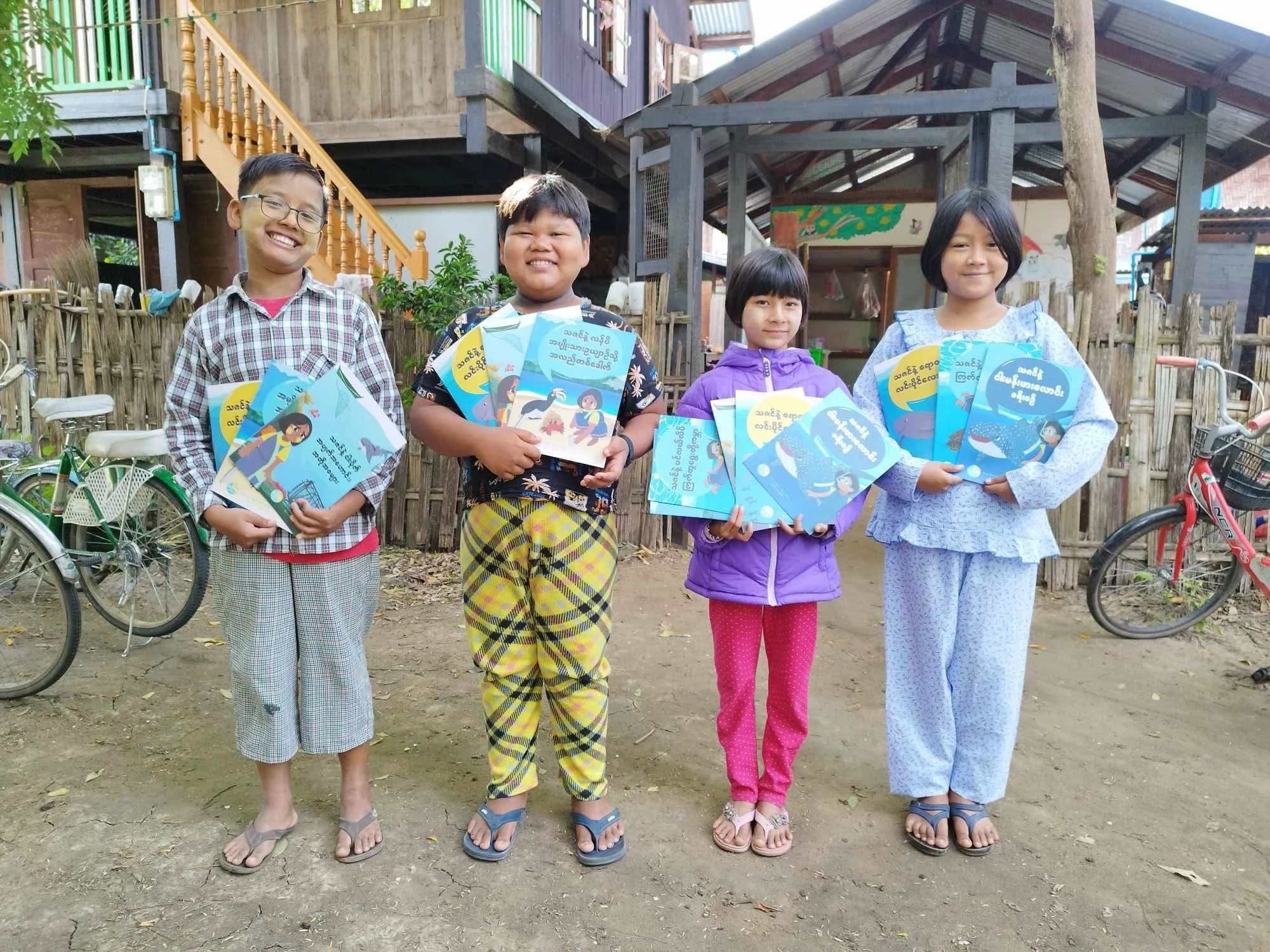
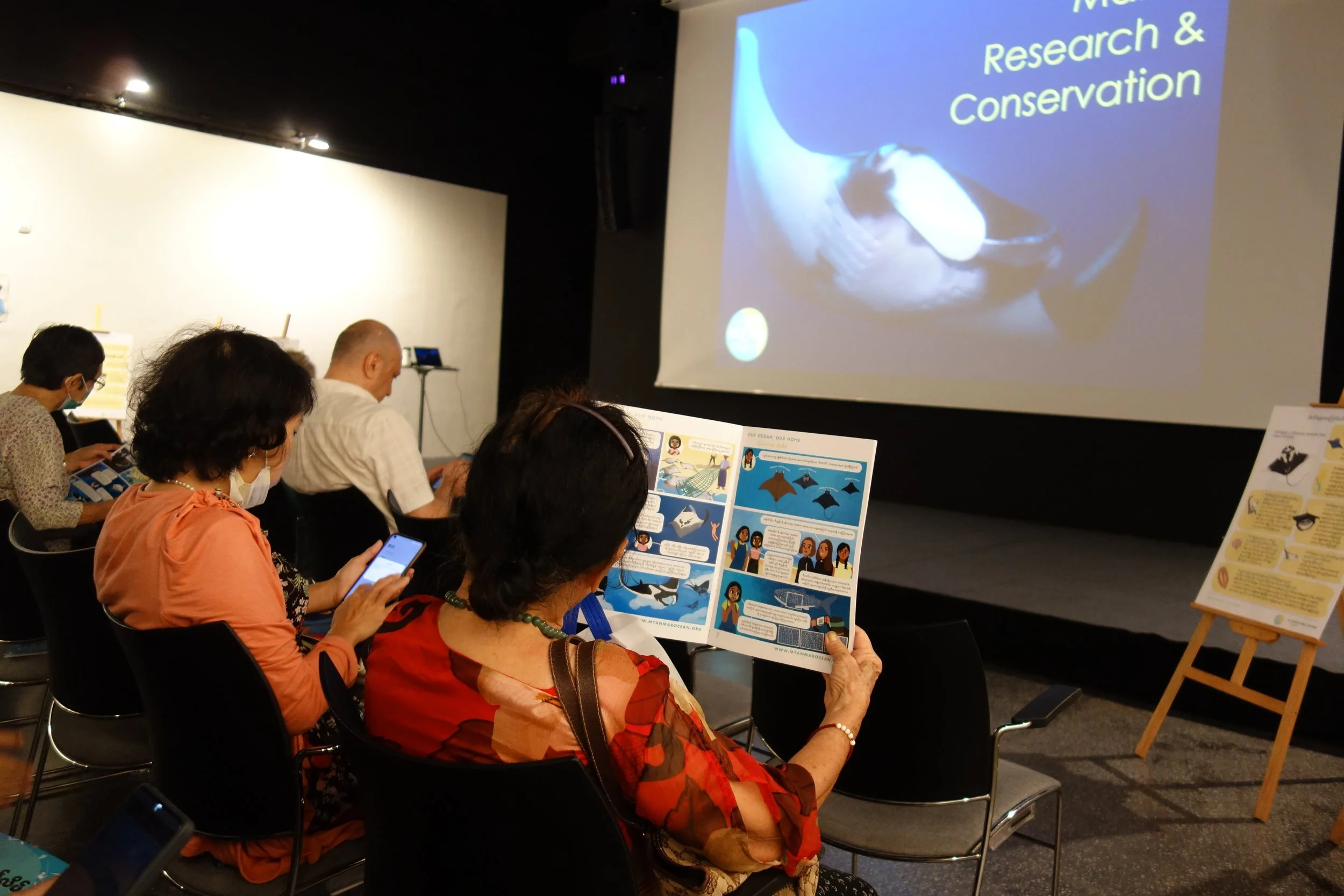
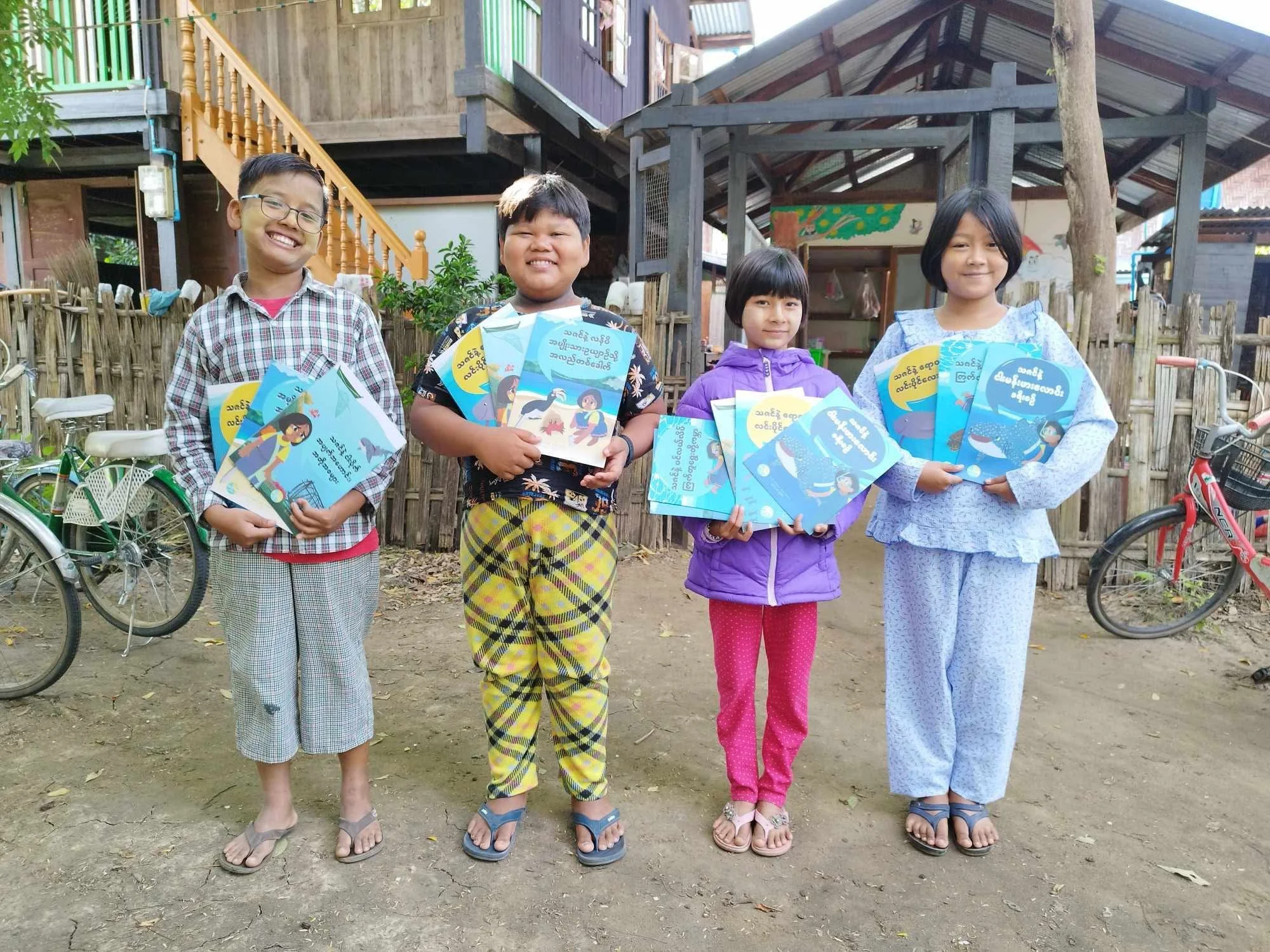
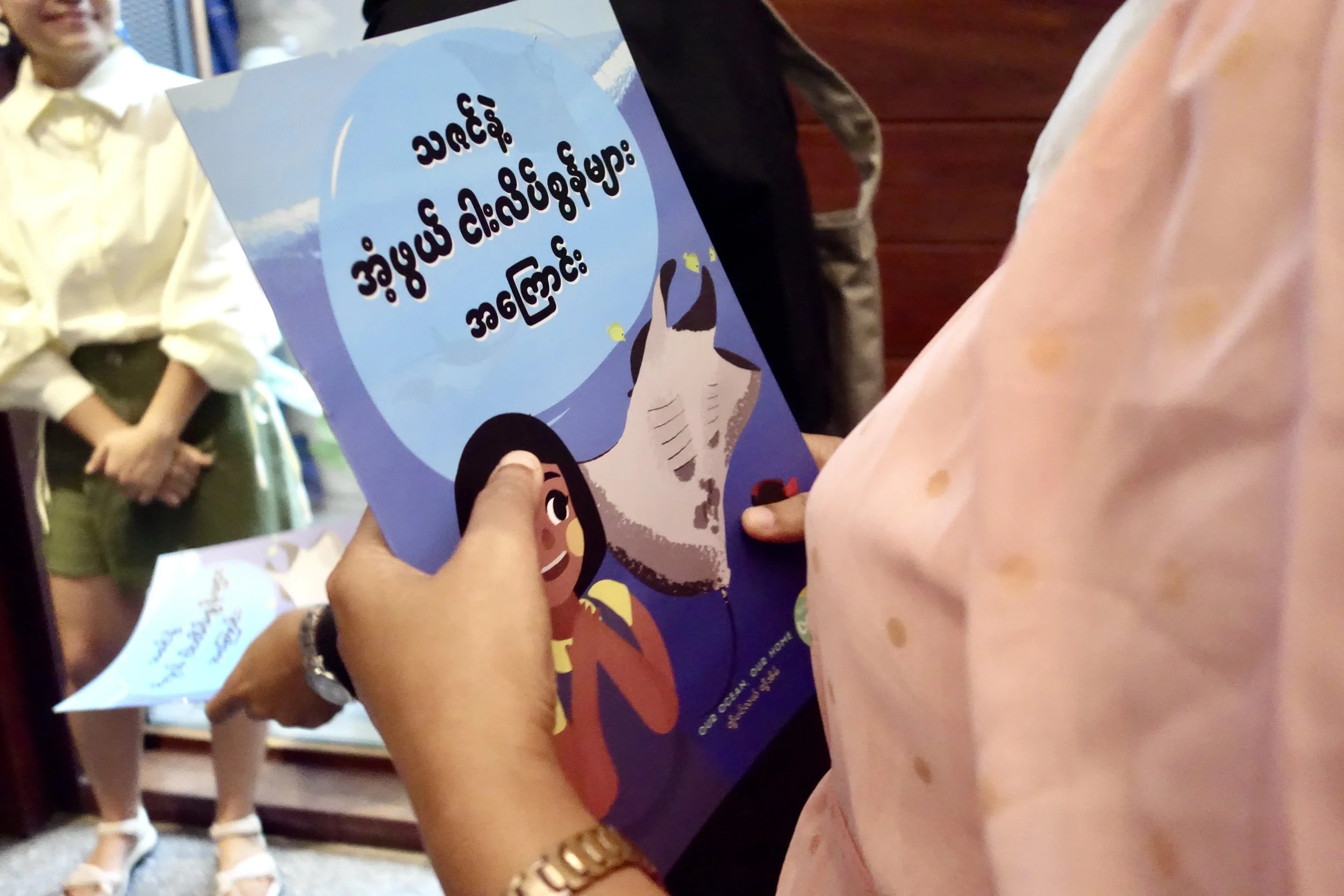
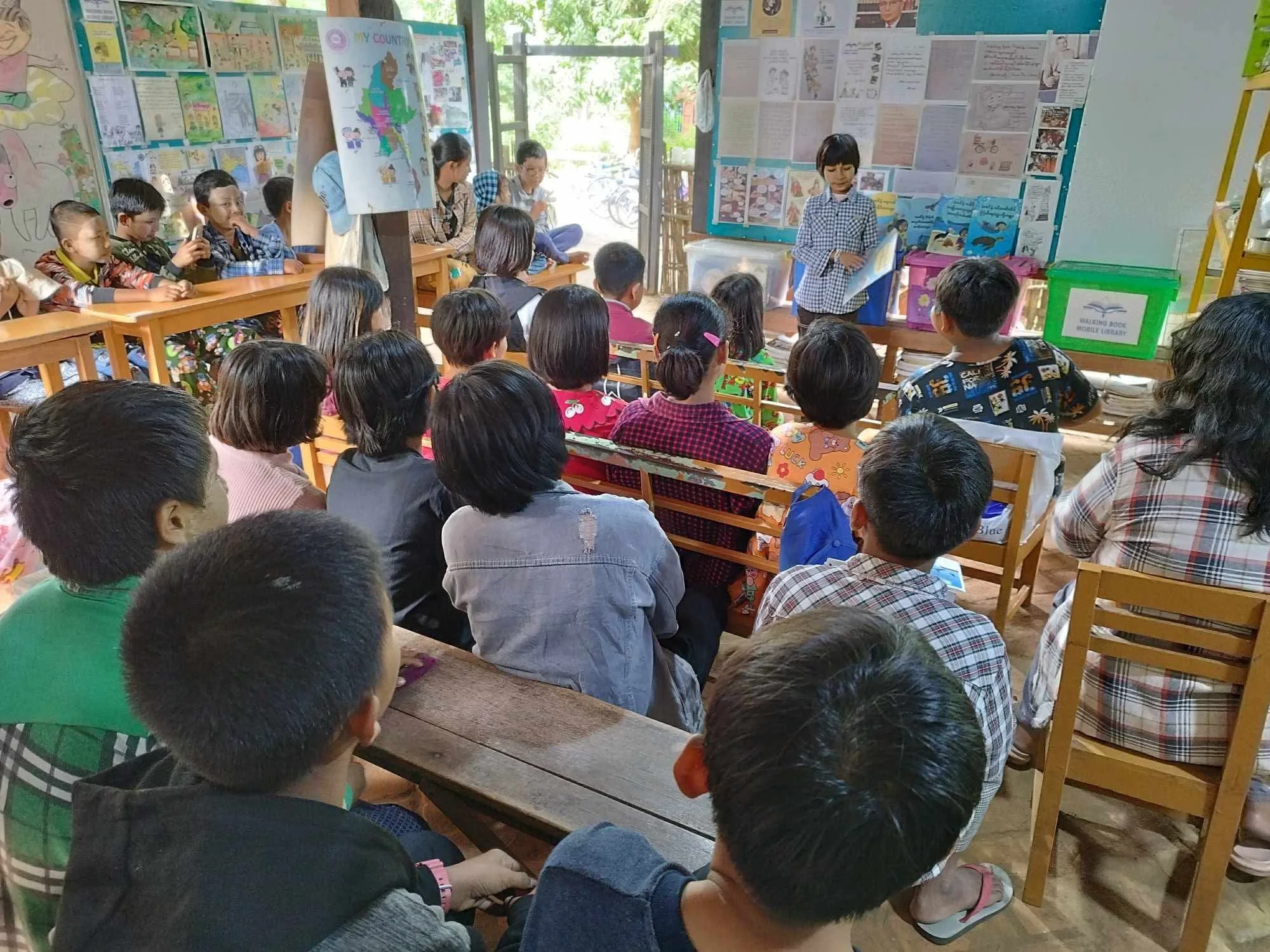
To build long-term ocean awareness, MOP produced the Our Ocean, Our Home comic series in multiple languages, bringing marine science and stewardship to youth and communities far beyond the coast. Through this combination of research, community partnership, outreach, and threat reduction, MOP is helping to fill Myanmar’s data gaps and strengthen locally led marine conservation in one of the world’s least-studied marine regions.
PROJECT GOAL
To build a resilient and biodiverse ocean in Myanmar, where sharks and rays, and coastal communities can thrive together through knowledge, stewardship, and sustainable practices.
MAIN OBJECTIVES
To achieve this goal, the Myanmar Ocean Project works to meet the following objectives:
(1) Improve Scientific Understanding of Mobulids in Myanmar: advance knowledge of mobulid species distribution, habitat use, movement patterns and population dynamics through field surveys and local ecological knowledge;
(2) Identify and Mitigate Key Threats: assess the drivers of mobulid fisheries trade, including fisher motivations, supply chain, by-catch and trade routes to determine effective intervention points and develop evidence-based mitigation strategies;
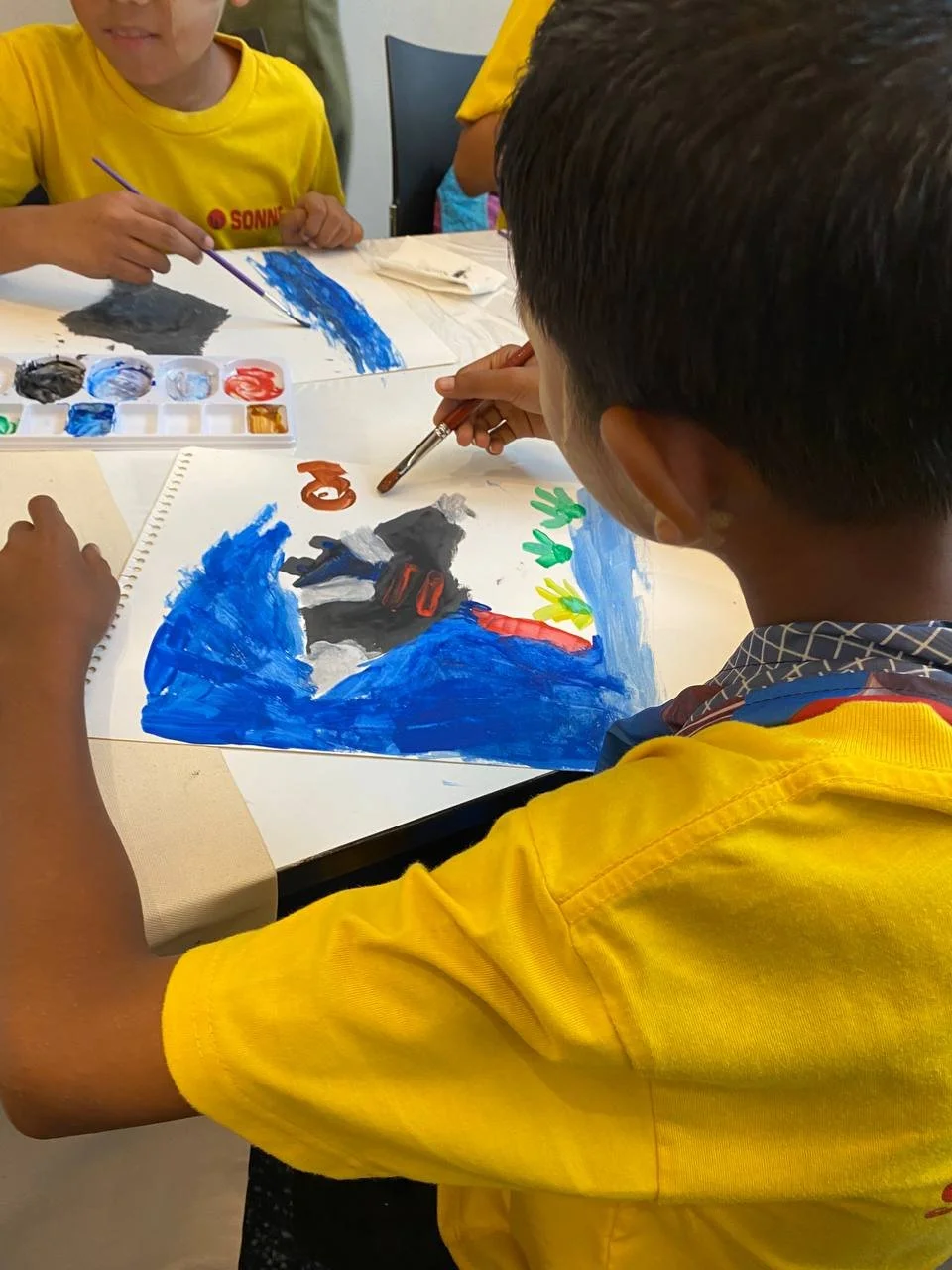
(3) Strengthen Ocean literacy and Public Awareness: increase awareness of marine conservation issues among coastal communities, youth and schools through targeted education programmes and culturally relevant outreach resources;
(4) Build Trust and Partnerships with Local Stakeholders: develop long-term relationships with fishers, community leaders and local authorities to support collaborative research, promote sustainable practices and strengthen community-led conservation.

Founder and Project Lead - Thanda Ko Gyi
Thanda is a Myanmar diver, conservationist and the founder of Myanmar Ocean Project. After witnessing the impact of ghost gear on local marine life during a dive in 2017, she established MOP to bridge research gaps and engage local communities in ocean protection. Thanda has led expeditions across the Myeik Archipelago, championed shark and ray research, and developed innovative outreach tools to inspire the next generation of ocean stewards across Myanmar.
Key Achievements

Surveyed nearly 90 reefs in the Myeik Archipelago to assess the scale and impacts of abandoned, lost, and discarded fishing gear (ALDFG).
Designed and implemented MOP DROPs, a community-based disposal system for end-of-life fishing gear, on two islands.

Prevented 12,000 kg and removed 1,900 kg of ALDFG through collaborative work with fishers, community clean-ups, and dive operations.

Mapped major shark and ray trade routes and markets and contributed data to global research on mobulid trade.

Led the successful designation of five Important Shark and Ray Areas (ISRAs) in Myanmar.

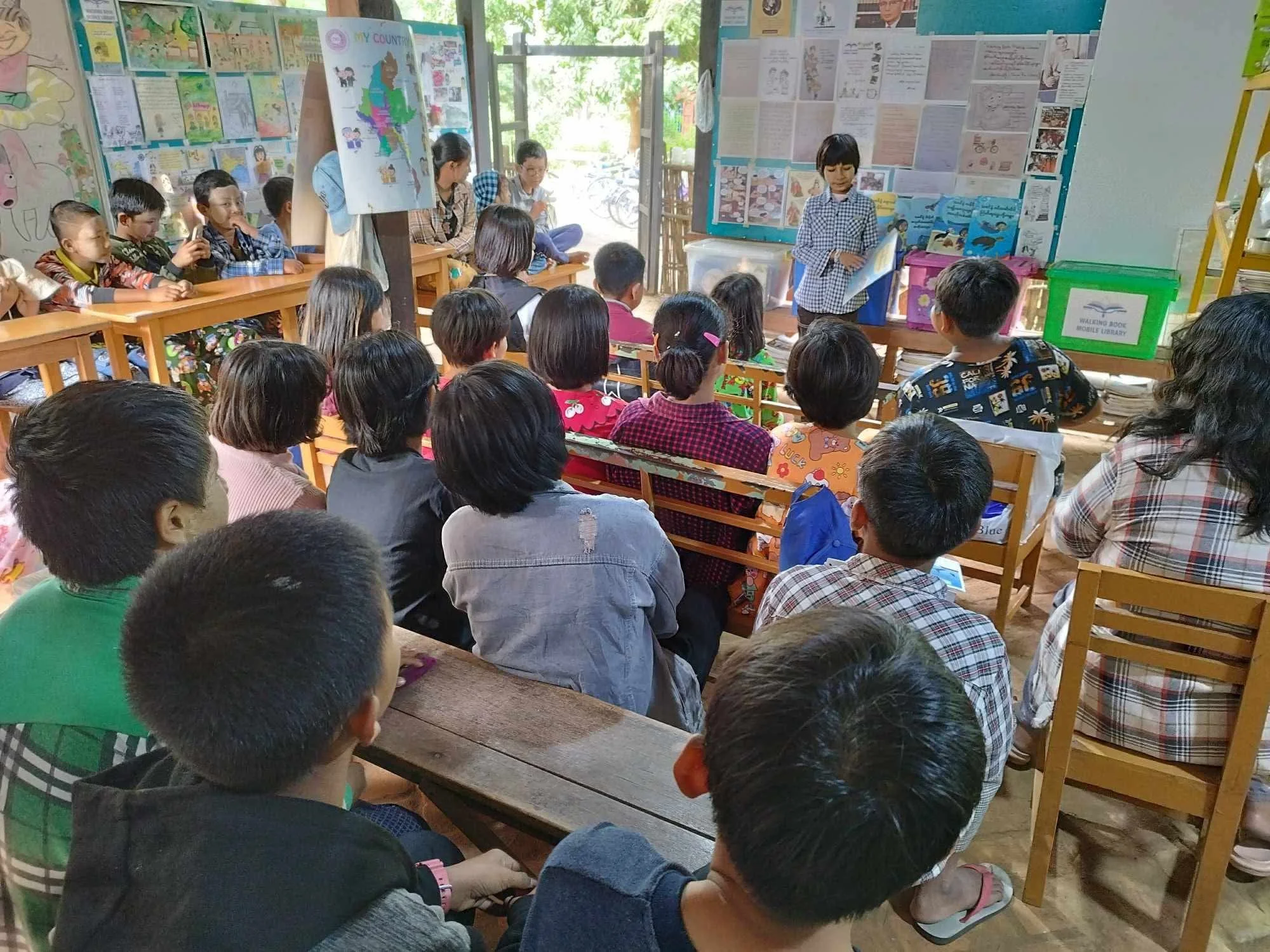
Produced and distributed multilingual ocean-education comics, reaching over 300 students and distributing 8,000+ copies across coastal regions.
Photos from the field